
Practical calculator guide
How to Plan Your Retirement Savings with a 401(k) Tools: A Simple Guide
Planning for retirement can feel confusing when you do not know how much your 401(k) may grow over time. This guide explains how a 401(k) Calculator helps estimate future savings, understand investment growth, avoid common mistakes, and make smarter retirement planning decisions.
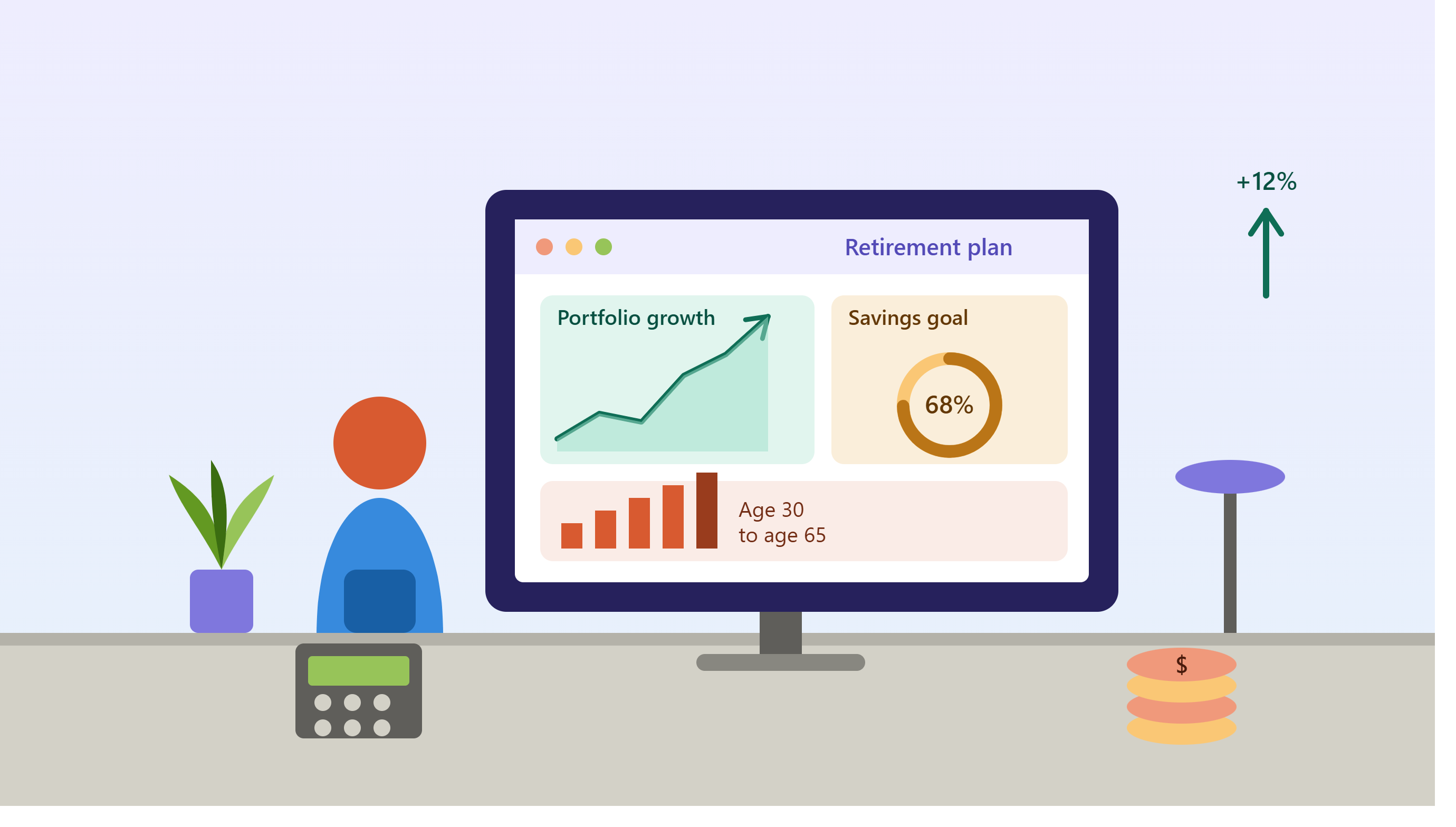
Retirement planning is one of the biggest financial challenges many people face. A common question is: "Will my current savings be enough when I retire?" Without proper calculations, it can be difficult to understand whether your contributions, employer match, and investment growth are moving you toward your retirement goals.
A 401(k) Calculator helps solve this problem by estimating how much your retirement account could grow over time. It allows you to explore different contribution amounts, expected returns, and retirement timelines so you can make informed financial decisions.
What Is a 401(k) Calculator?
A 401(k) Calculator is an online financial tool that estimates the future value of your workplace retirement savings account. It uses important factors such as your current 401(k) balance, regular contributions, employer matching contributions, expected investment growth rate, and years until retirement.
The main purpose of a 401(k) Calculator is to help individuals understand whether their retirement savings strategy is on track. Instead of guessing how much money you may have in the future, the calculator provides an estimated projection based on your inputs.
This tool is useful for employees who participate in employer-sponsored retirement plans, people starting their first job, and anyone reviewing their long-term financial goals. It is also helpful when comparing different saving strategies through the Finance Calculators category.
Why Do You Need a 401(k) Calculator?
Many people contribute to their 401(k) without knowing how much those savings may become in the future. A calculator helps remove uncertainty by showing how small changes today can impact retirement savings later.
- Understand whether your current retirement contributions are enough.
- Estimate how much your account may grow before retirement.
- See the impact of increasing or decreasing monthly contributions.
- Understand how employer matching contributions affect savings.
- Compare different retirement planning scenarios.
- Create realistic retirement goals based on estimated future savings.
For example, someone who starts saving early may benefit from years of compound growth, while someone closer to retirement may need to adjust contributions or investment expectations.
How Does a 401(k) Calculator Work?
A 401(k) Calculator estimates future retirement savings by applying compound growth calculations to your current balance and ongoing contributions. The calculation considers both the money you add and the potential earnings generated from investments.
- Enter your current 401(k) account balance. This represents your existing retirement savings.
- Add your contribution amount and frequency, such as monthly or annual contributions.
- Include employer matching contributions if your company provides them.
- Enter your expected annual investment return rate.
- Select the number of years until retirement.
- Review the estimated future account value and adjust your strategy if needed.
How to Use Our 401(k) Calculator?
Using a 401(k) Calculator is simple. You only need a few basic details about your retirement savings plan to generate an estimate.
Important information you may need includes:
- Current 401(k) balance.
- Your yearly or monthly contribution amount.
- Employer contribution or matching percentage.
- Expected annual rate of return.
- Your planned retirement age or investment period.
After entering your information, the calculator provides an estimated future balance. You can use these results to understand whether you should increase contributions, start saving earlier, or adjust your retirement expectations.
Example Calculation
Consider a person who has $20,000 in their 401(k) account and contributes $300 every month. If they expect an average annual return of 7% and continue saving for 25 years, the calculator can estimate the possible future account value.
| Input | Value |
|---|---|
| Current 401(k) Balance | $20,000 |
| Monthly Contribution | $300 |
| Expected Annual Return | 7% |
| Investment Period | 25 Years |
| Employer Match | 5% |
The final estimate will depend on market performance, contribution changes, fees, and other factors. The calculator provides a projection to help with planning, not a guaranteed retirement amount.
Common Mistakes Users Make
Retirement calculations can become inaccurate when important details are ignored. Avoid these common mistakes:
- Assuming investment returns will always remain the same every year.
- Ignoring employer matching contributions.
- Using unrealistic contribution amounts.
- Forgetting inflation and future purchasing power.
- Waiting too long to begin retirement planning.
- Considering calculator results as guaranteed future income.
Factors That Affect Your Results
Several factors influence how much your 401(k) may grow over time. Understanding these variables helps you create more realistic retirement expectations.
- Contribution Amount: Higher regular contributions generally increase future savings.
- Time Period: More years invested can provide more opportunity for compound growth.
- Investment Return: Higher returns may increase growth, but they also involve market risk.
- Employer Match: Employer contributions can significantly improve retirement savings.
- Fees: Account fees may reduce long-term investment growth.
- Inflation: Rising costs can affect the future value of your retirement money.
401(k) Calculator vs Manual Calculation
| Method | Advantages | Limitations |
|---|---|---|
| 401(k) Calculator | Quick results, fewer calculation errors, easy scenario comparison | Provides estimates based on assumptions |
| Manual Calculation | Helps understand formulas and calculation methods | Time-consuming and easier to make mistakes |
Frequently Asked Questions
What does a 401(k) Calculator show?
A 401(k) Calculator estimates how much your retirement account may grow based on your current savings, contributions, investment return assumptions, and retirement timeline.
Is a 401(k) Calculator accurate?
A calculator provides an estimate based on the information entered. Actual retirement savings may vary because investment returns, fees, and market conditions can change.
How much should I contribute to my 401(k)?
The ideal contribution depends on your income, retirement goals, age, and financial situation. Many people contribute enough to receive the full employer match because it can increase retirement savings.
Can I use a 401(k) Calculator if I am just starting my career?
Yes. Starting early allows you to see how regular contributions and compound growth may help build retirement savings over a longer period.
Does employer matching affect my 401(k) growth?
Yes. Employer matching contributions can significantly increase your retirement balance because they add extra money to your account.
Should I check my 401(k) calculation regularly?
Reviewing your retirement projection periodically can help you adjust contributions and stay aligned with your long-term financial goals.
Final Thoughts
A 401(k) Calculator is a practical tool for understanding your retirement savings progress and making better financial decisions. Instead of wondering whether you are saving enough, you can estimate future growth and identify areas where adjustments may help.
Retirement planning works best when you review your goals regularly, understand your savings options, and make informed decisions based on realistic calculations. Use a 401(k) Calculator to explore different scenarios and build a clearer retirement strategy.
How to Estimate Your Real Monthly Payment (Before You Sign Anything)